The project entitled “A network for inclusion” continues, promoted by our Institute to give full value to experiences and companies that are particularly mindful of inclusion and disability. In this interview, Luca Torrente, project supervisor, interviews Alberto Ferrari, Managing Director of Banca di Bologna, who describes the bank’s commitment. The group, with 34 branches, is a reference point for the local community and is known for its commitment to social values.
What are your bank’s good practices in support of organizations like ours, which deal with disabilities and inclusion?
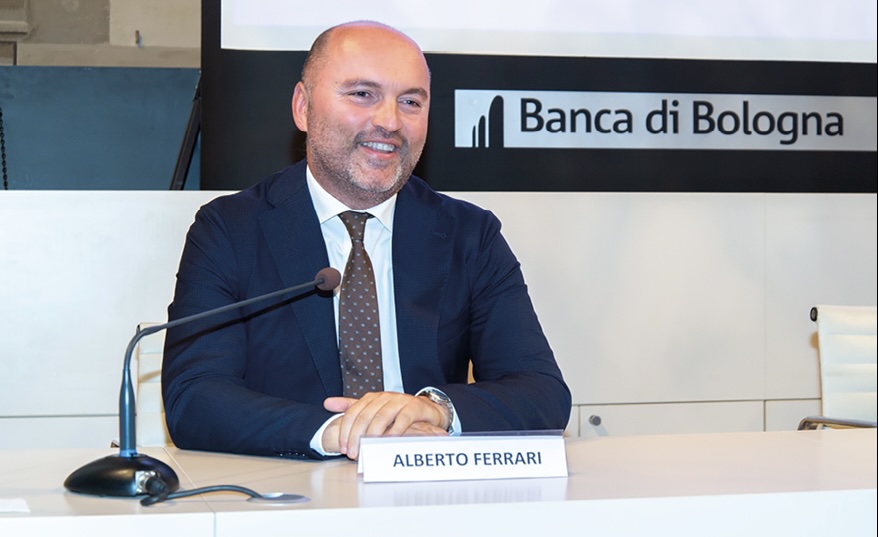
Ever since I became Managing Director, I have always thought that local companies should help improve the community in which it operates. Therefore, we have created several projects related to solidarity, culture, and support of young people. Our mission isn’t limited to paying shareholders, but also includes reinvesting part of our profit in the community. Working with organizations like the Cavazza Institute, with its long history and constant social commitment, has been a real pleasure.
What elements do you consider essential for including people with disabilities in companies and, more in general, in society?
I think the fundamental element is culture. You have to create a welcoming environment in which every individual can make a contribution. Everyone can do this in their private life, but companies have the ability and the responsibility to do more. It’s important to go beyond legal obligations, such as lists and rules regarding disabilities, and consider people as bearers of value. The culture of inclusion is built in environments where people can express themselves best, feeling welcomed and appreciated.
Do you think the Bolognese area is attentive to matters concerning disabilities?
I know the area well, because I live and work here, and I believe it is sensitive to these matters. Local companies show concern and commitment, but I think more can be done. Some forms of disability are harder to manage, and require greater attention. Companies are interested and willing to help, and this is an important basis for further action.
What can the local business community do to promote the culture of inclusion of people with disabilities?
It’s essential to convey this culture both into companies and toward the outside, with clear and precise information on projects and initiatives. Involving employees and explaining the reasons for these projects will create shared sensitivity and a virtuous circle. People assimilate these values in their private life and in their family, contributing to a more attentive and inclusive environment. Very often, our projects were proposed by employees, confirming that sensitivity and commitment derive from everyone’s active contribution.
 Italiano



.png "Aderente alla Consulta tra le Antiche Istituzioni Bolognesi")